The Wearable That Tracks Your Longevity! Hume Band 2.0 Review
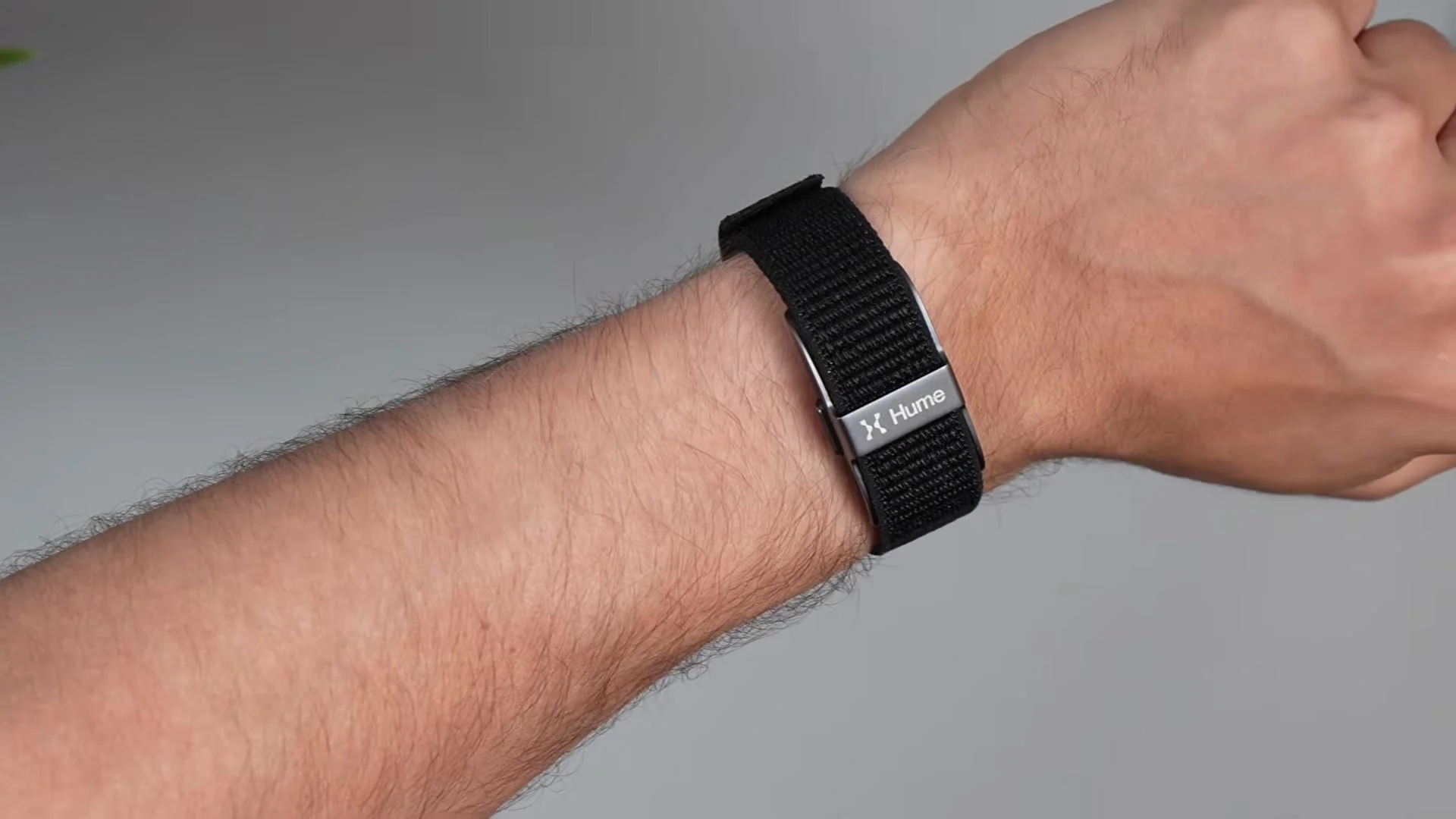
The wearable space is basically split into hardcore recovery bands that make you feel like you’re always underperforming and casual trackers that count your steps and call it a day, and Hume Health is going after the middle ground with the new Hume Band 2.0. It’s a longevity wearable for people who want to understand their long-term health without needing a subscription, a coach, or a PhD in biohacking. I tried the 1.0 band back in the day, and after wearing the 2.0 for a couple of weeks, I think it really hits a home run. (Hume sponsored this video and sent one over.)
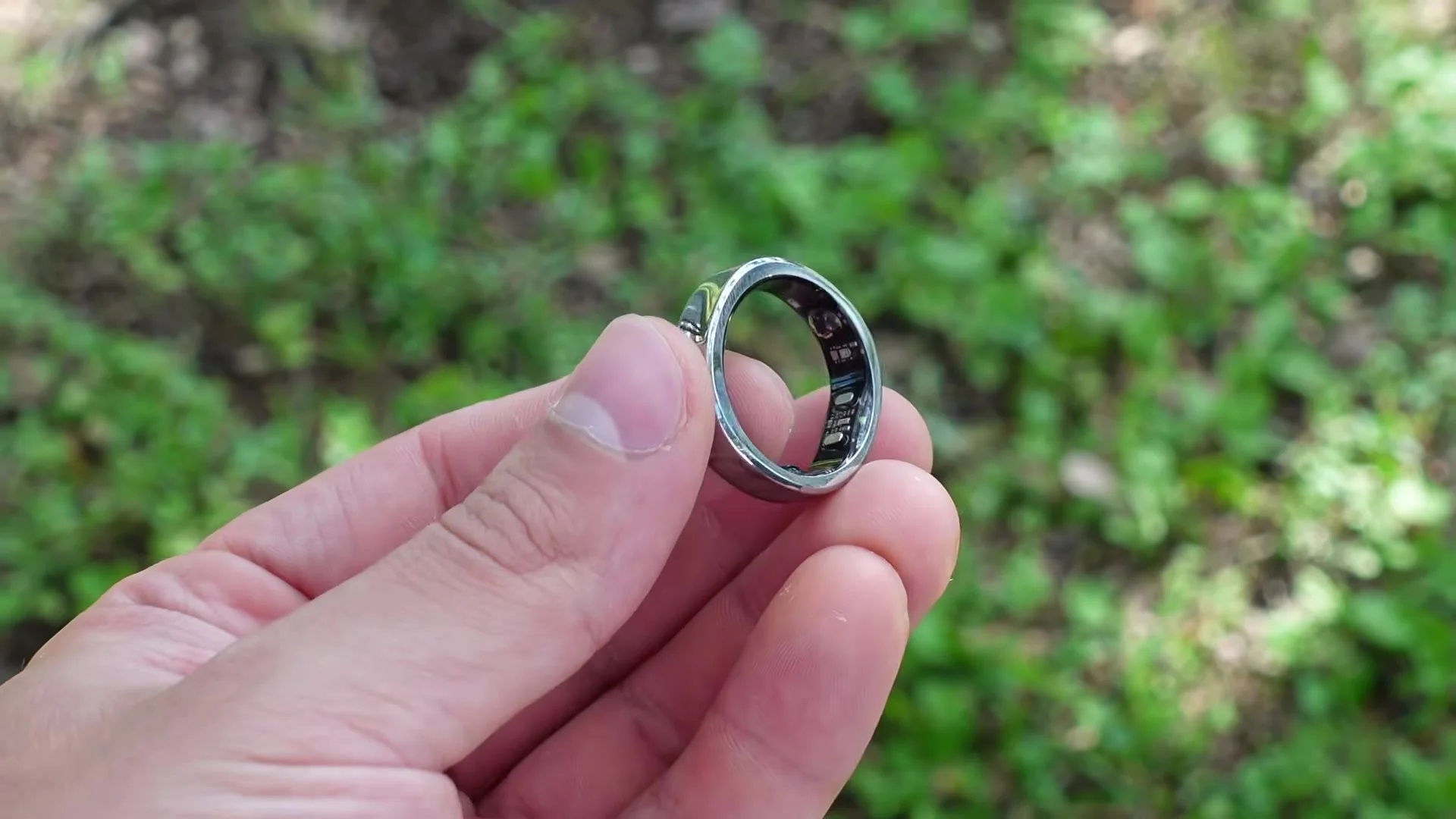
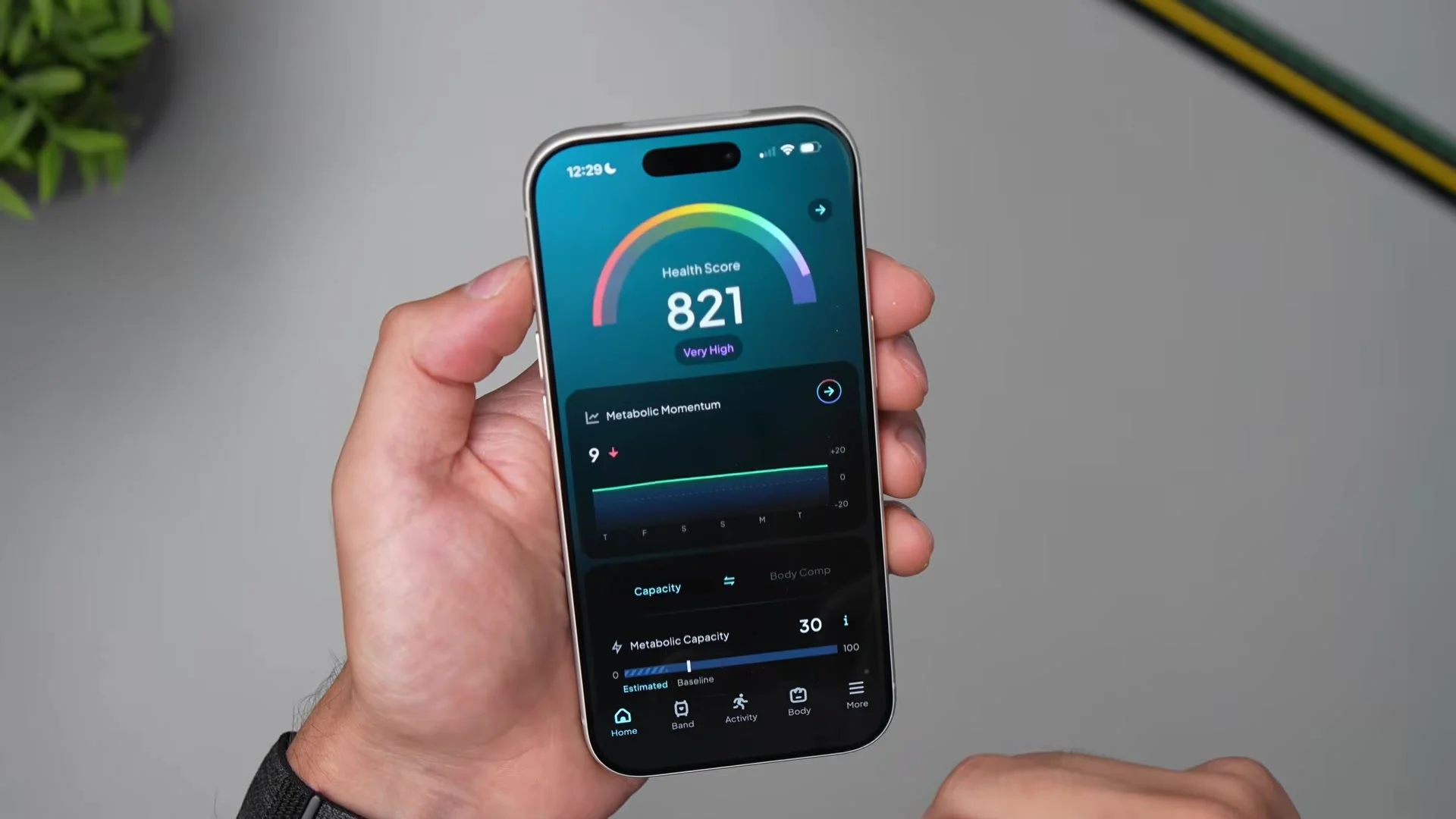
The Band 2.0 is a set-it-and-forget-it wearable: up to 14 days of battery life is a big jump from the 1.0’s four to five days, and that matters because the whole point of a health wearable is continuous data. The sensors are better, it’s more comfortable to wear overnight, and the AI-powered insights are far more expanded. What makes it different is the ecosystem: pair it with the Hume Pod body analyzer and you get continuous biomarkers plus body fat, muscle mass, and visceral fat in one connected app, which none of the other big wearables I mentioned do. The core experience is free, including daily biomarkers like heart rate, HRV, steps, sleep, stress, and SpO2, a daily capacity score with a personalized day plan, strain and recovery, and metabolic momentum, which shows your pace of aging and days of life added as a trend instead of a gimmick. Premium adds a health report with biological age (mine is younger than my calendar age) and graded cardiovascular, sleep, and body composition scores, AI insights that explain why your numbers changed, and a chronic illness report that needs about 30 days of wear and looks at long-term patterns tied to things like sleep apnea or type 2 diabetes. That report is an awareness tool, not a diagnostic one, and it doesn’t replace a doctor. Compared to Whoop it’s more approachable and doesn’t lock recovery data behind a monthly fee; Fitbit and Apple Watch are more general-purpose smartwatches; and Oura is the closest philosophical match, but a band is easier to work out in than a ring, especially if you lift weights or rock climb like I do.
Watch the full Hume Band 2.0 review to see the app tour, the free versus premium features, and the comparisons. Final thoughts: it’s a major step up from the 1.0 and a legit Whoop alternative if you care about long-term health more than counting steps, and the band is easier to charge and to swap out; it’s HSA/FSA eligible for U.S. buyers, and you don’t have to subscribe to anything, so check the link in the video description.