Black is back on the iPhone 18 Pro Max, and the matte stealth finish looks incredible — until fingerprints take over. Here’s how it compares to Glacier, silver, and burgundy in hand.
All in Apple
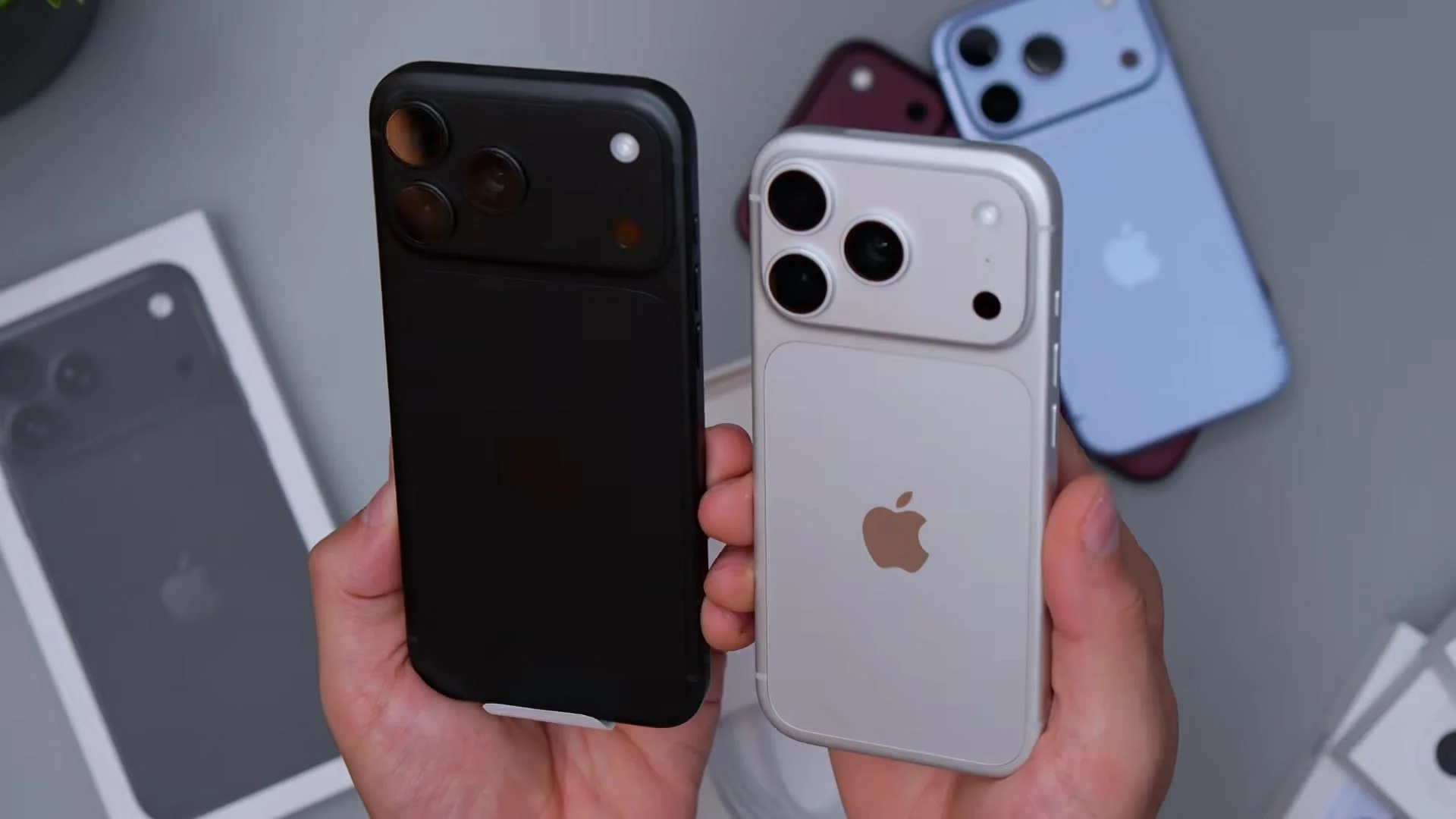
Black is back on the iPhone 18 Pro Max, and the matte stealth finish looks incredible — until fingerprints take over. Here’s how it compares to Glacier, silver, and burgundy in hand.
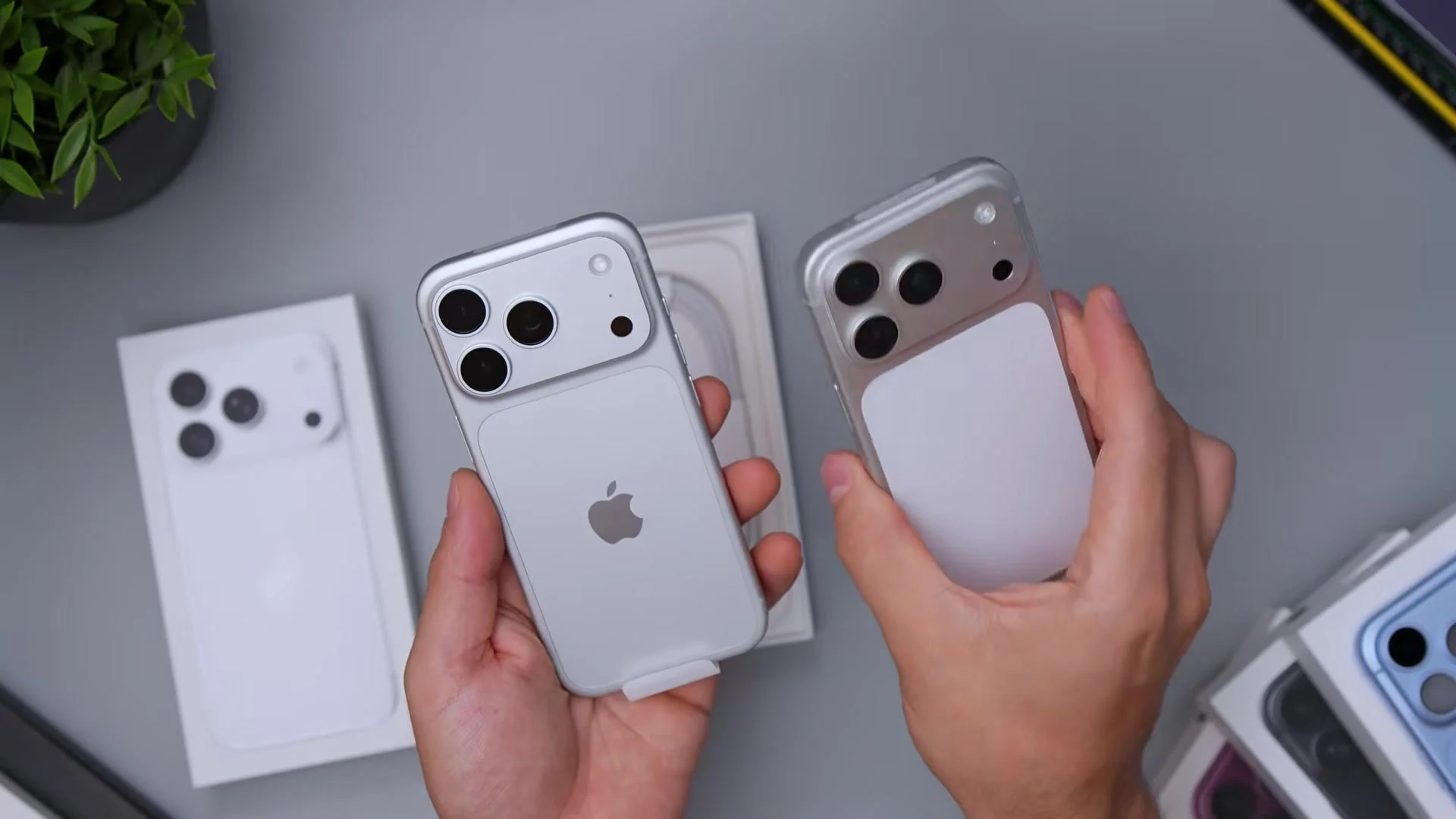
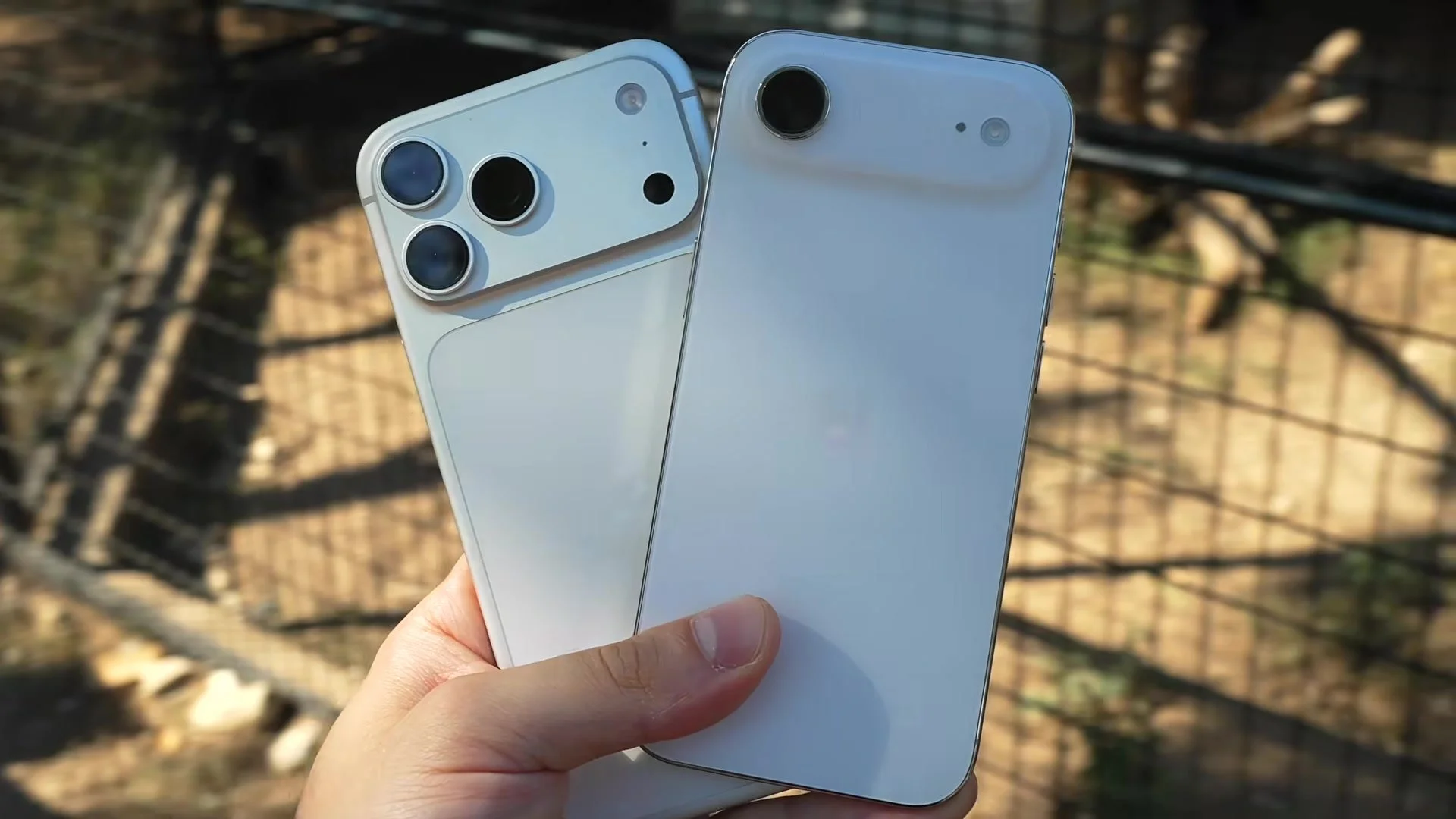
Silver on the iPhone 18 Pro finally gets a real color-matched silver back instead of the white rear panel on last year’s 17 Pro. Side by side, Apple fixed the finish — here’s how it looks.
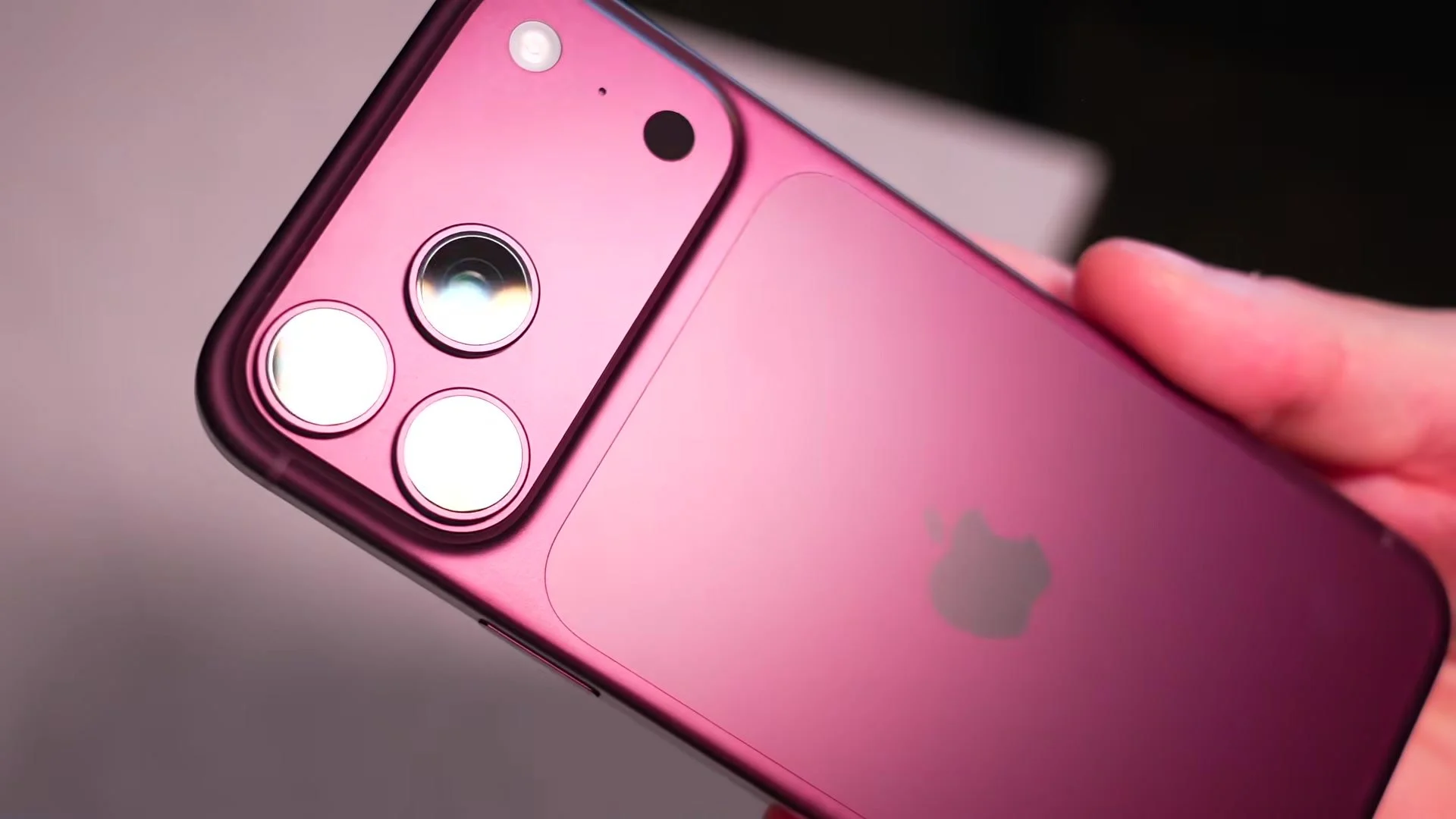
Burgundy on the iPhone 18 Pro Max is Apple’s big color this year, and in person it’s deeper and more sophisticated than I expected — almost eggplant, very deep but still vibrant. Here’s how it actually looks next to Glacier and silver.
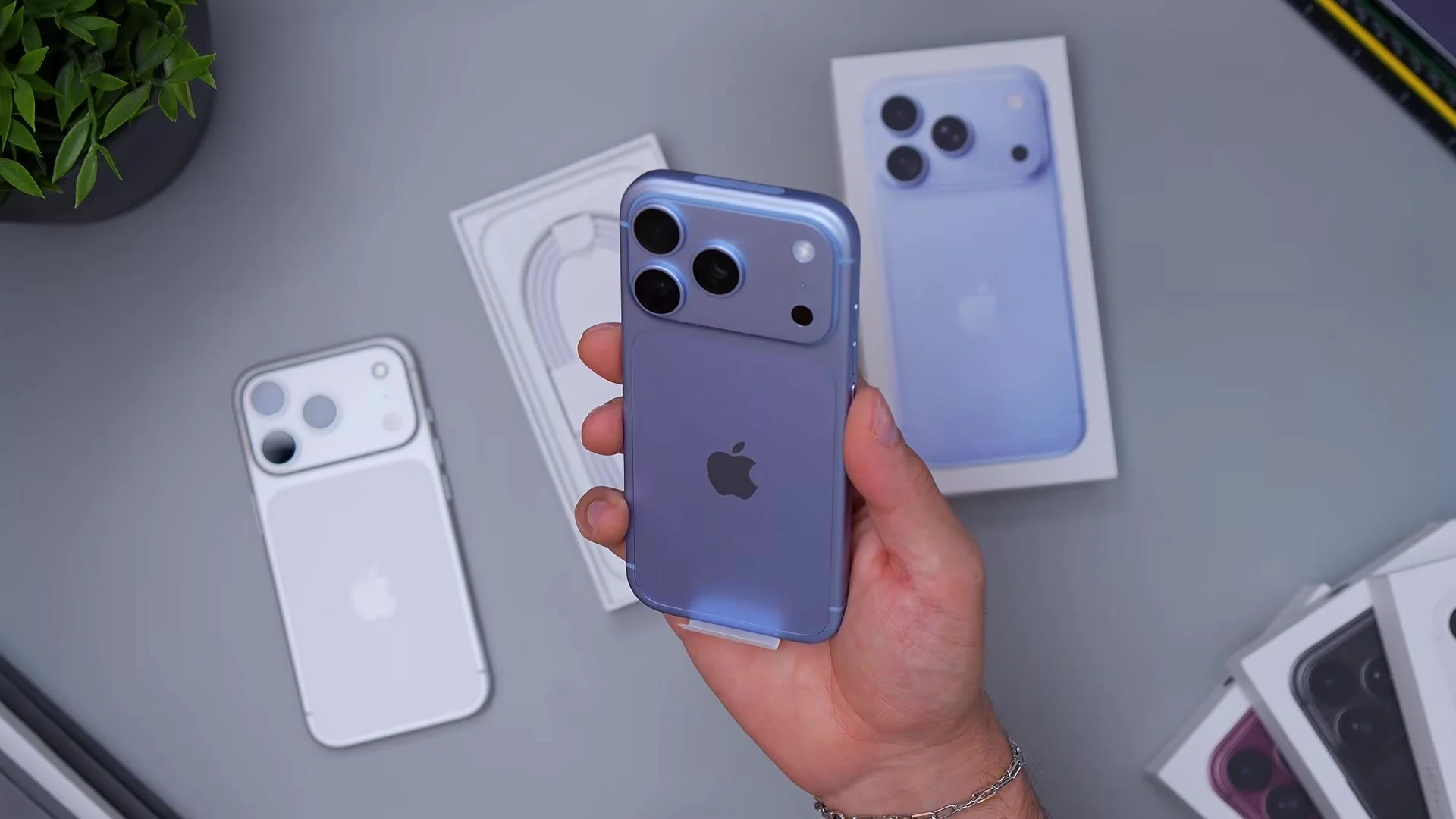
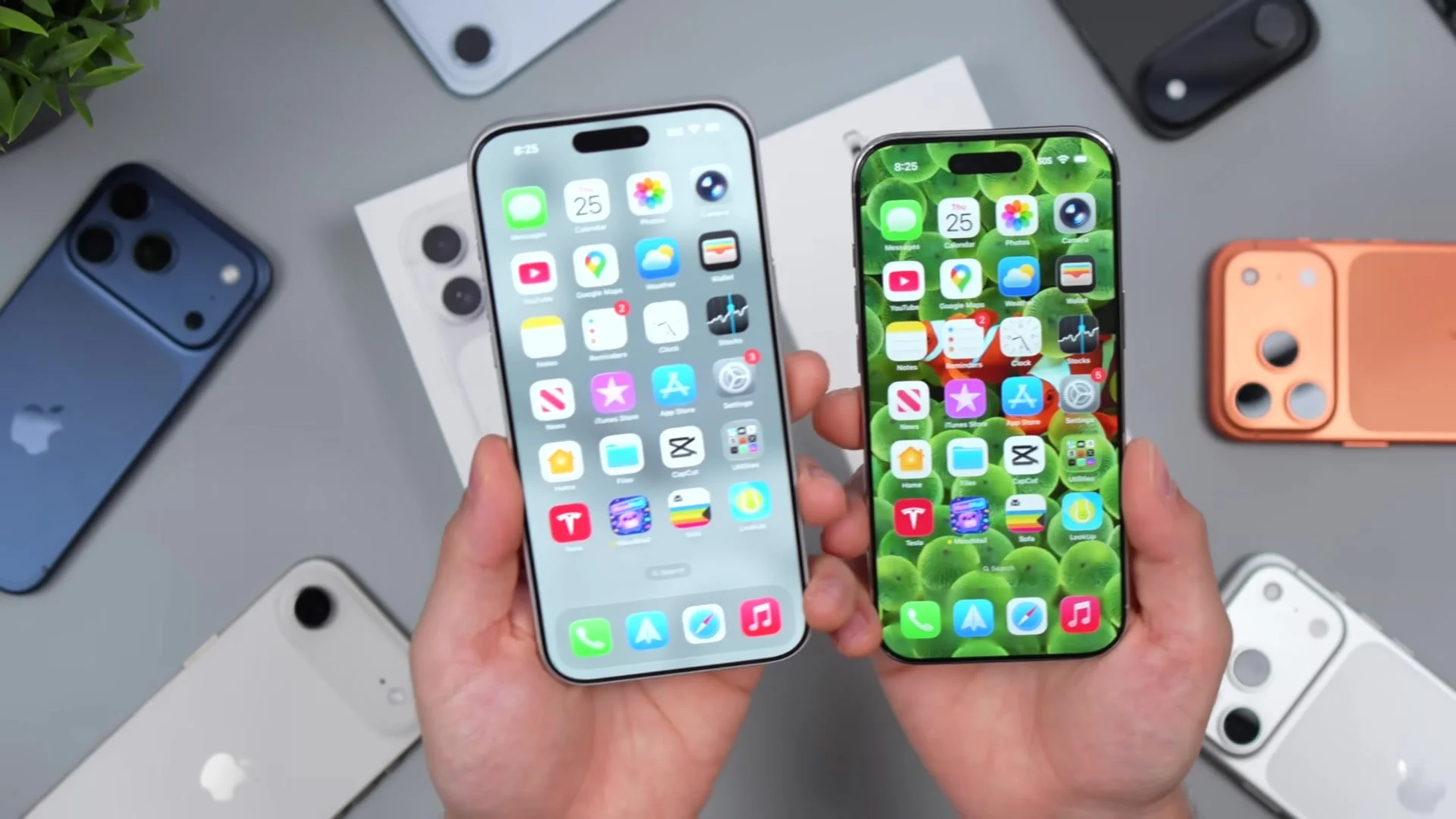
Glacier is the new blue on the iPhone 18 Pro — a soft matte baby blue with slight purple undertones that feels way more wearable than last year’s near-black Pro blue. In person it reads calmer than Sierra Blue ever did.
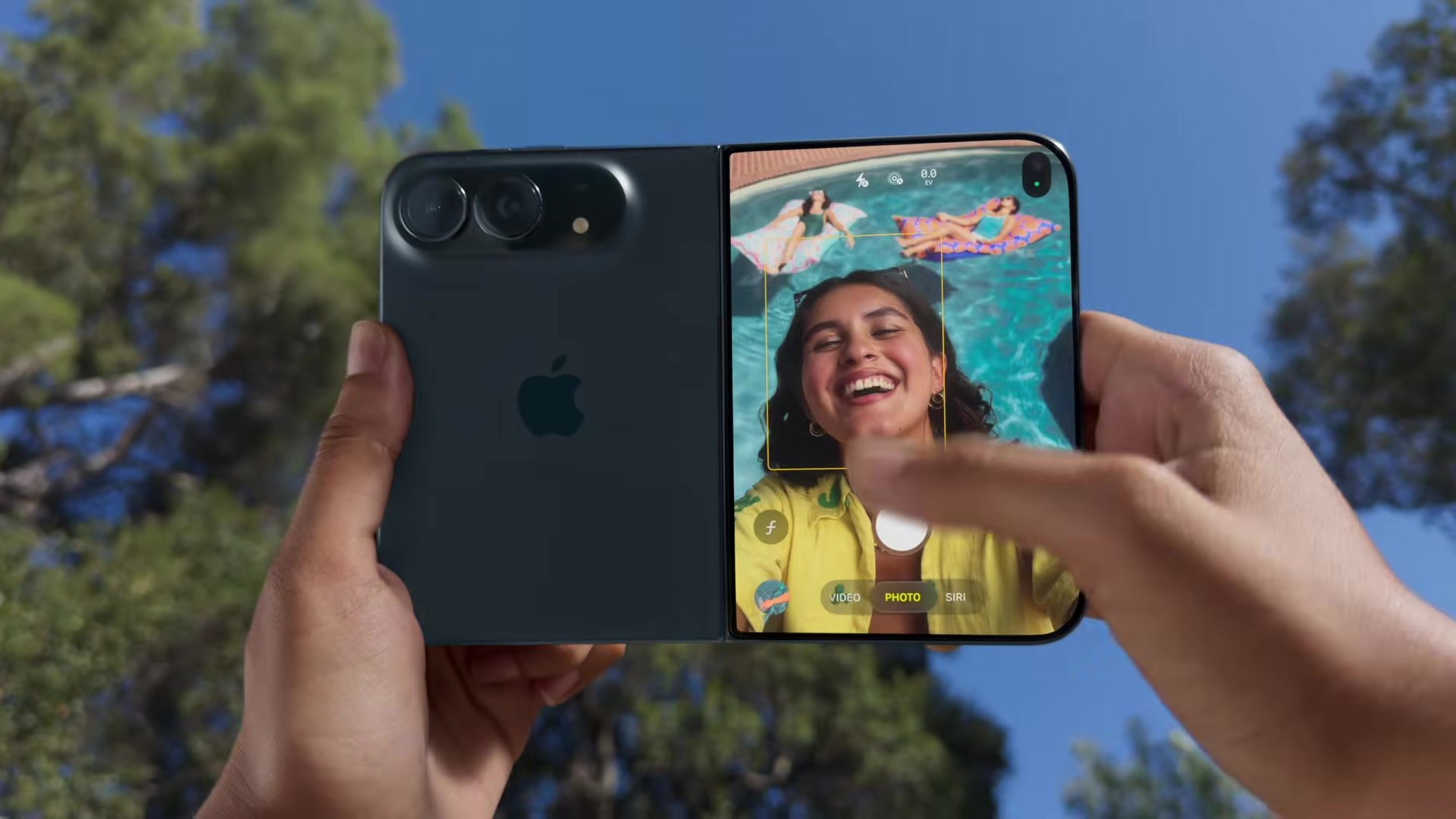
Apple stole the show with the iPhone 18 Pro and Pro Max, packing the A20 Pro chip, a vapor chamber, and a variable aperture camera, alongside its first foldable, the $2,000 iPhone Duo. Here’s everything Apple announced, including the Watch Series 12, Ultra 4, and AirPods 5.
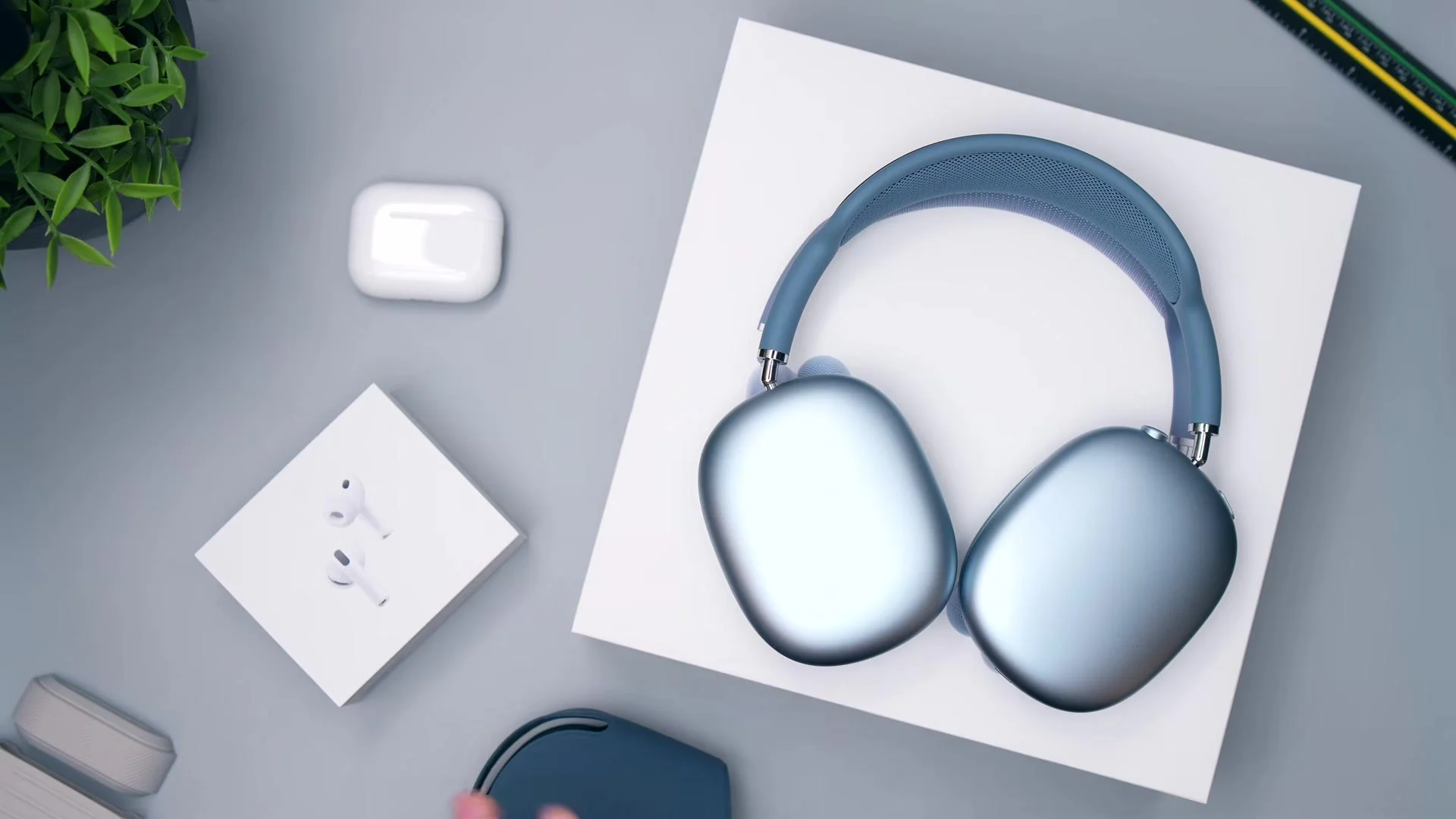
I upgraded from my original AirPods Max to the new AirPods Max 2, and honestly, they’re mostly a refresh with the H2 chip inside. So I put them up against my AirPods Pro 3 to see if $300 more for over-ears is really worth it.
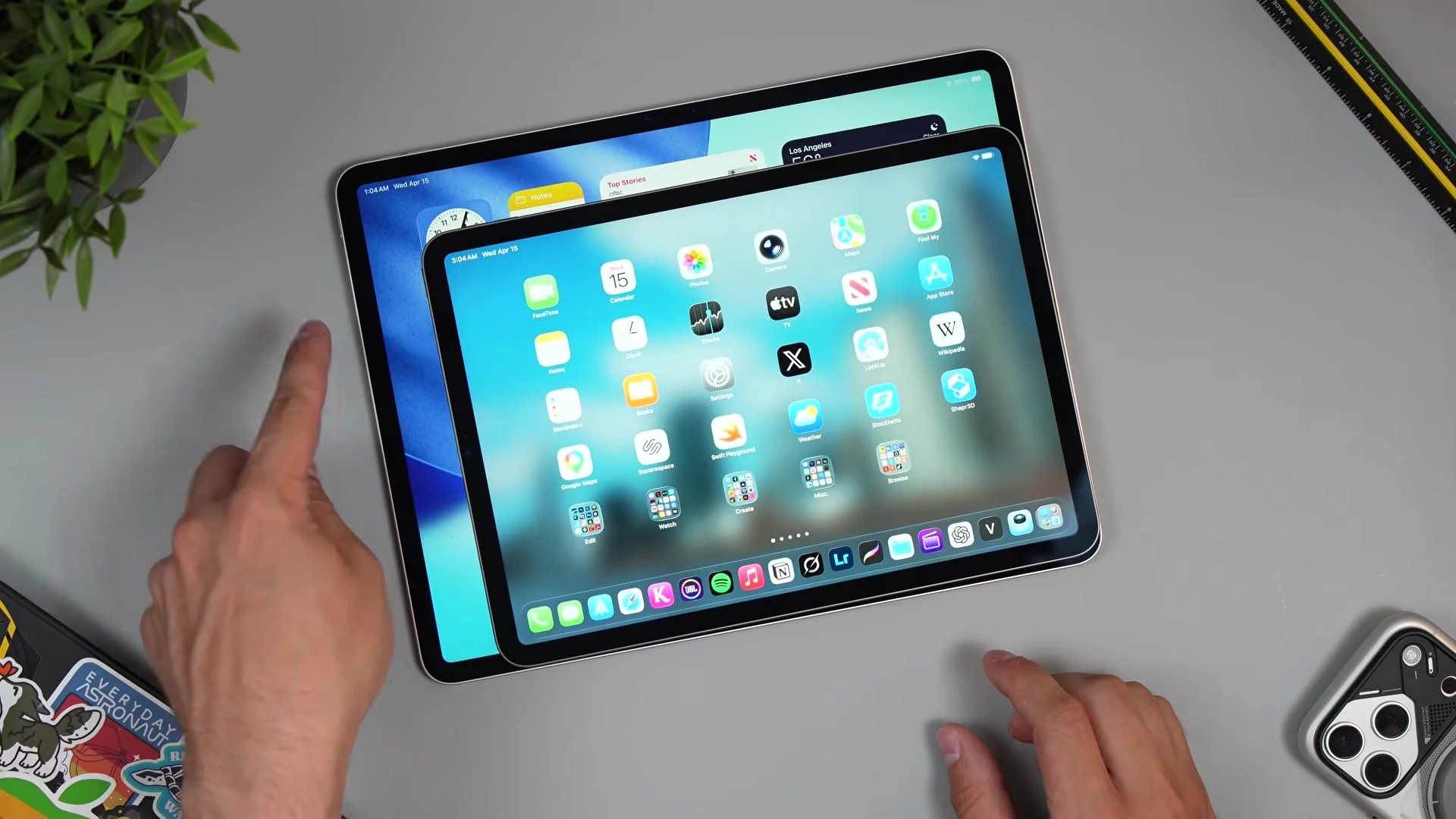
Picking between the 11-inch and 13-inch iPad Air M4 is more than a $200 decision — it changes how you actually use the thing. I put them side by side to see which size you should actually buy.
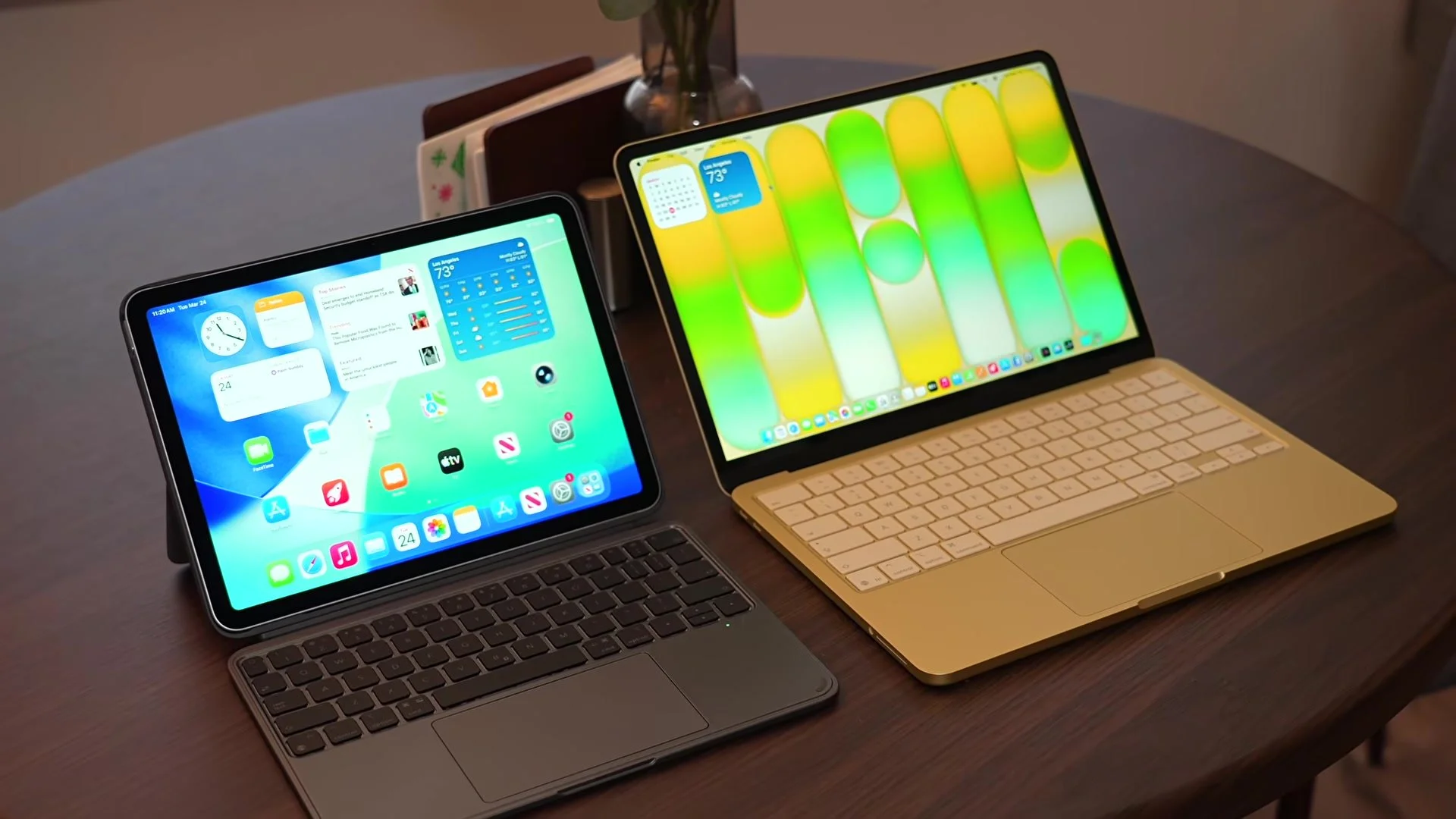
Apple dropped two confusingly good budget machines at once: the $599 MacBook Neo and the $649 iPad Air M4. I spent a week treating each as my only computer to see which one you should actually buy.
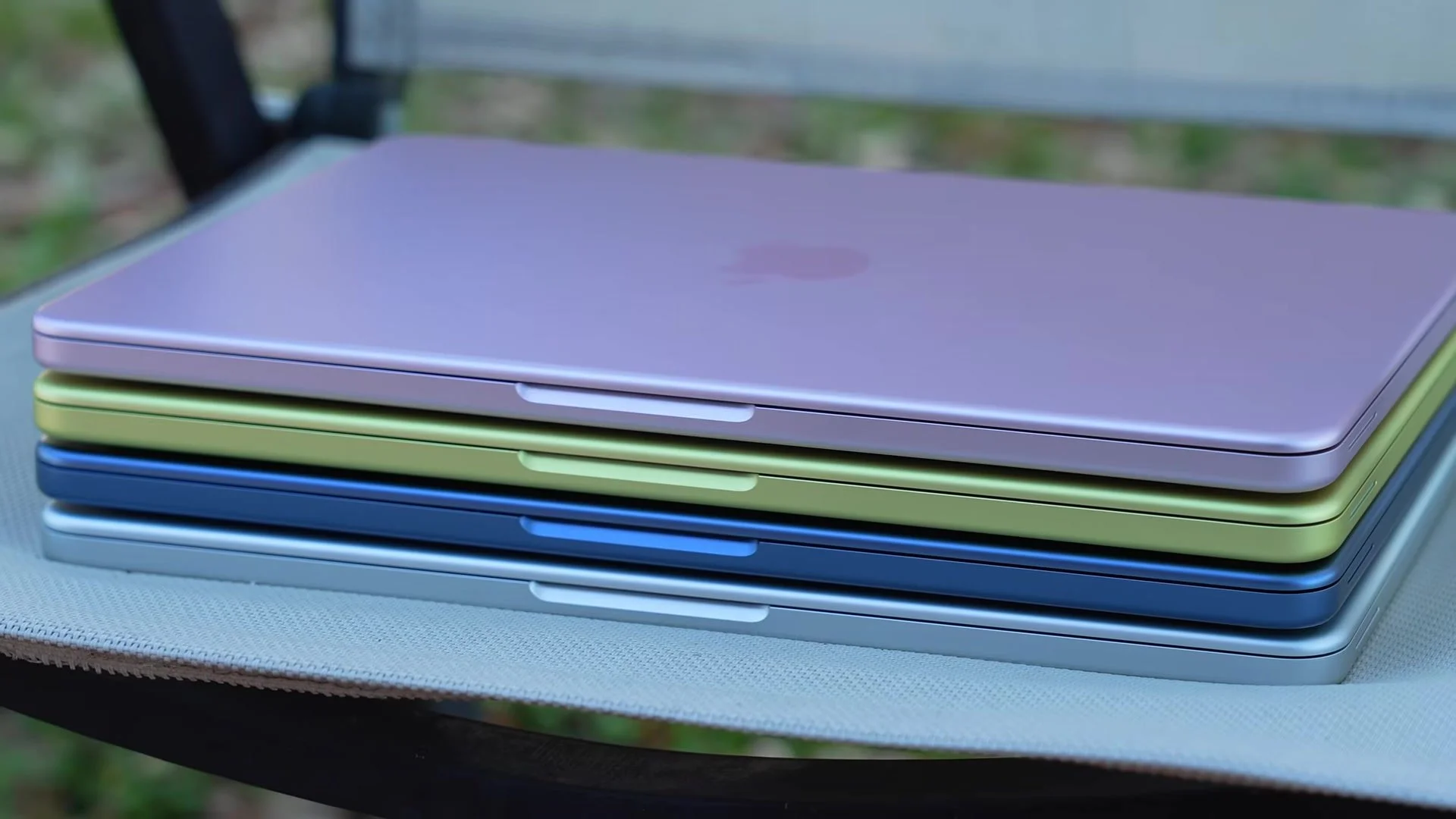
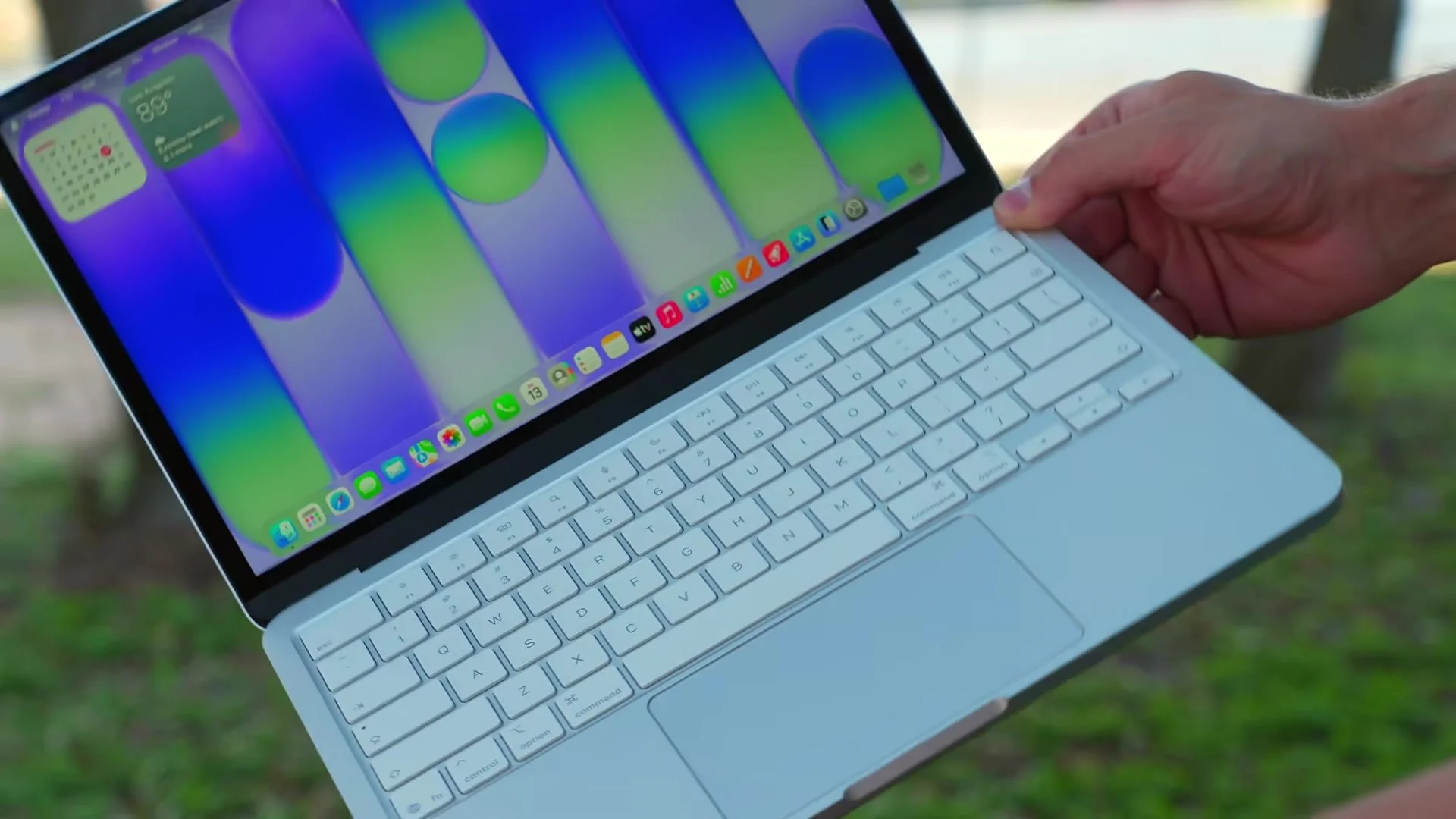
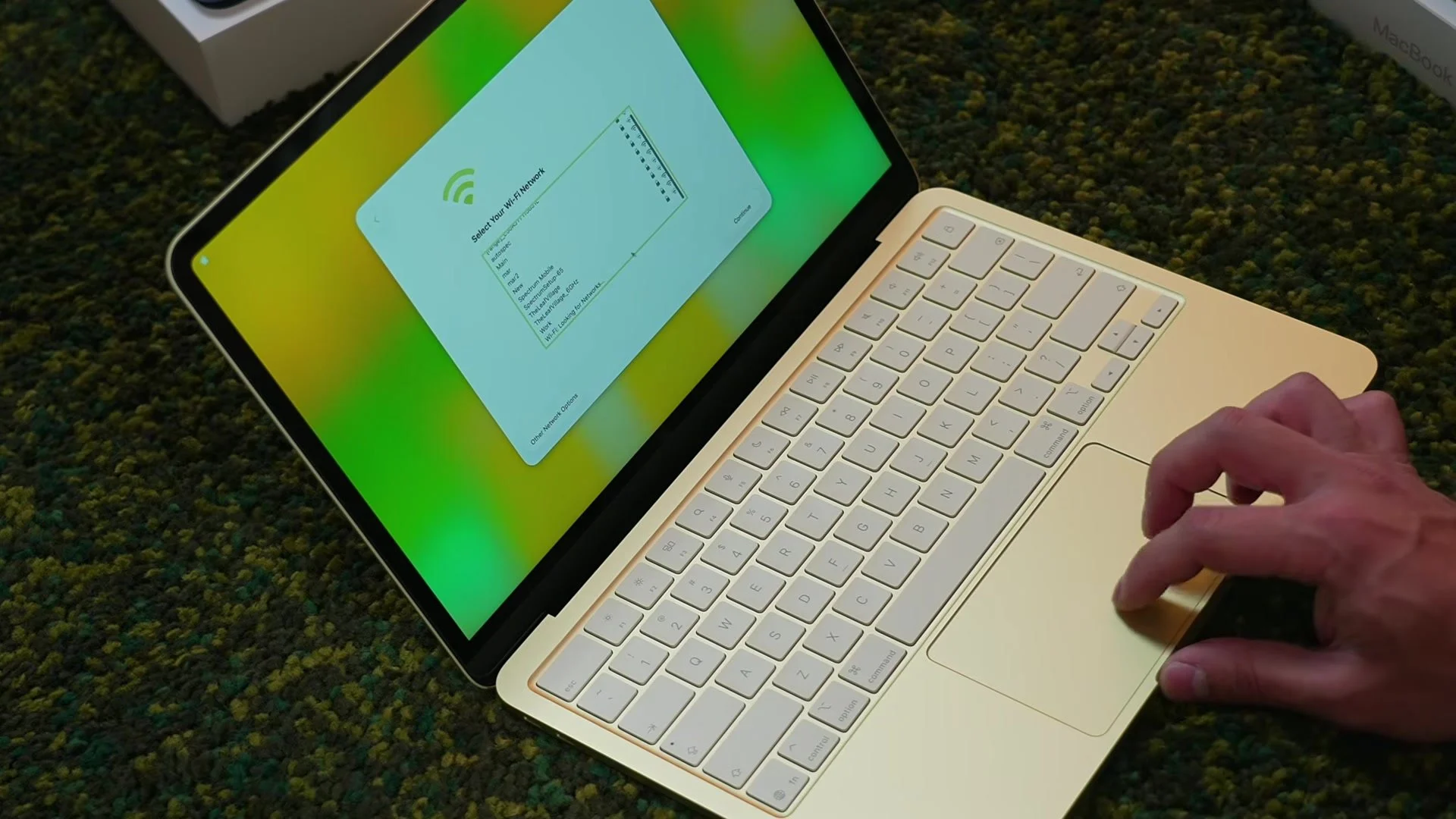
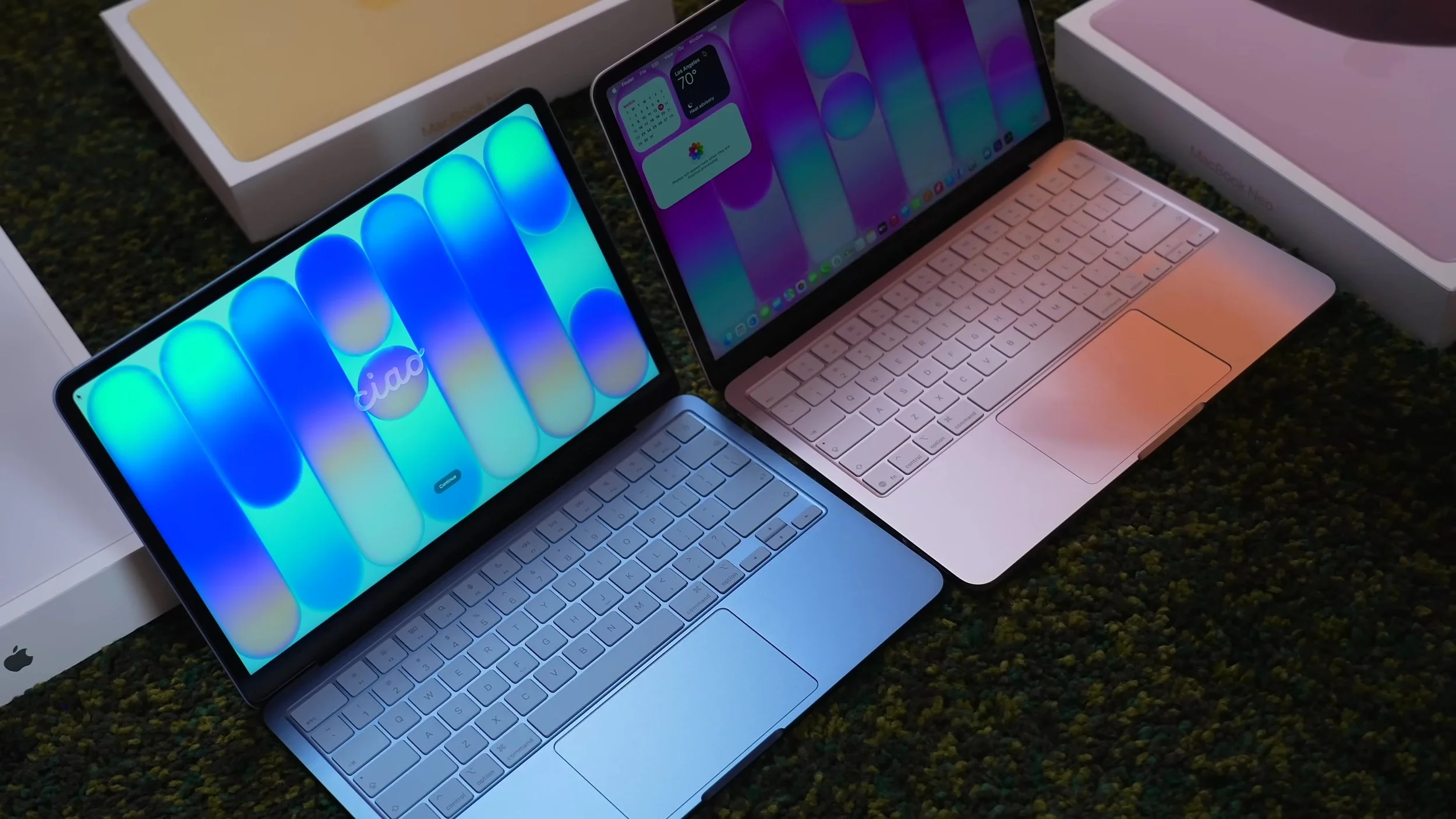
All four MacBook Neo colors in one place — indigo, blush, citrus, and silver — so you can actually pick. Same $599 machine ($499 education): 13-inch, 2.7 lb all-aluminum, and each color has a different personality.
Last in my MacBook Neo color unboxings: silver white — Apple’s cleanest, most minimal Neo. At $599 ($499 with education), it’s the same 2.7 lb aluminum machine with a full white keyboard that looks incredible against silver.
Today I’m unboxing Apple’s MacBook Neo in citrus green — the quirkiest, most polarizing color in the lineup. At $599 ($499 with education), this all-aluminum 2.7 lb notebook is smaller than a MacBook Air and sits right between lemon and lime.
Next up: the MacBook Neo in indigo blue — and after the blush pink unboxing, this cobalt-leaning blue might be my favorite of the bunch. Same story: if you’re torn between an iPad and a Neo, I’d take the Neo unless you really need Apple Pencil.
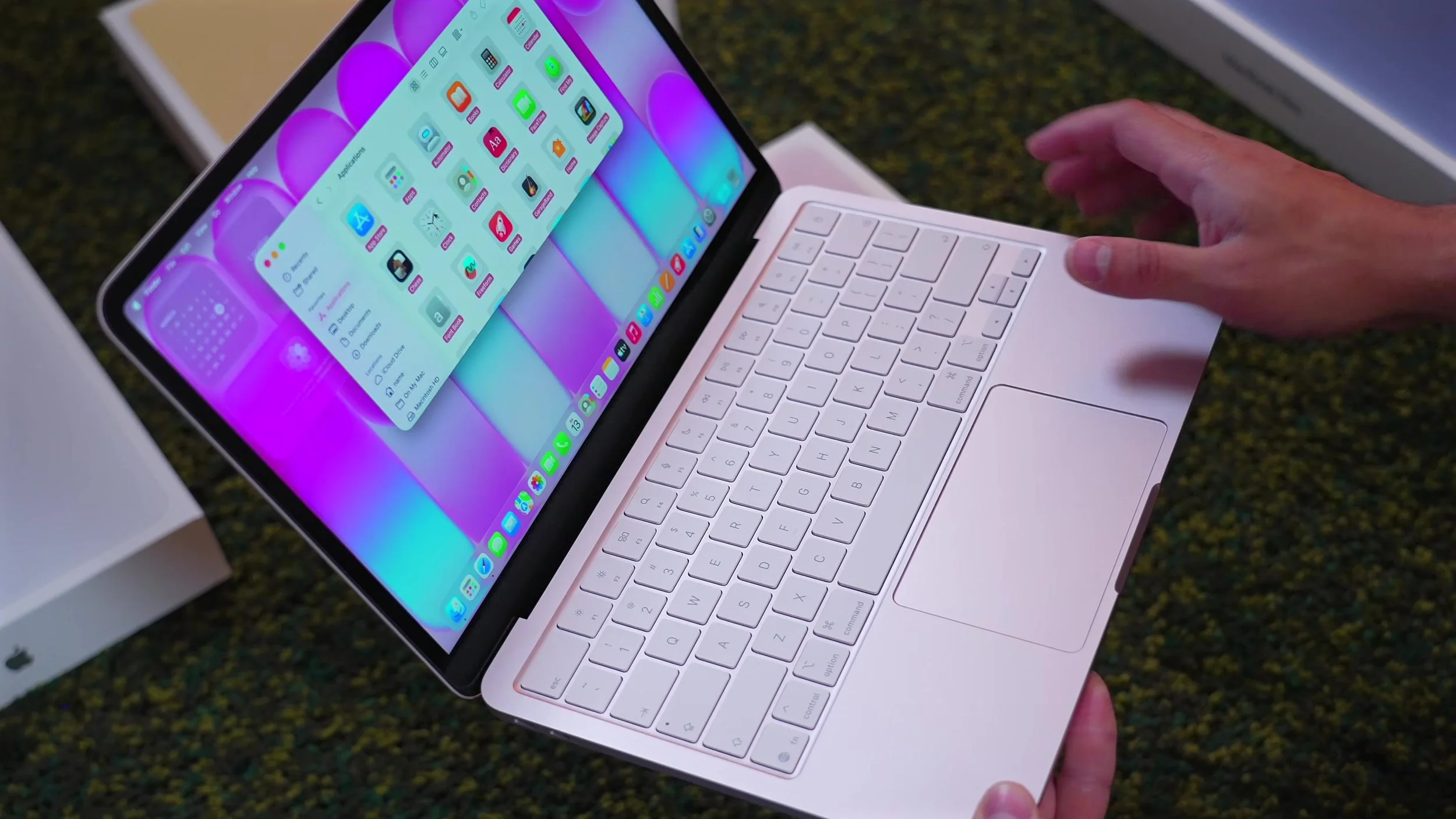
Today I’m unboxing Apple’s MacBook Neo in blush pink — Apple’s first completely new laptop line since the MacBook Air in 2008. At $599 ($499 with education), this isn’t a toy: all-aluminum, smaller than an Air at 2.7 lb, and a trackpad that’s clickable in every corner.
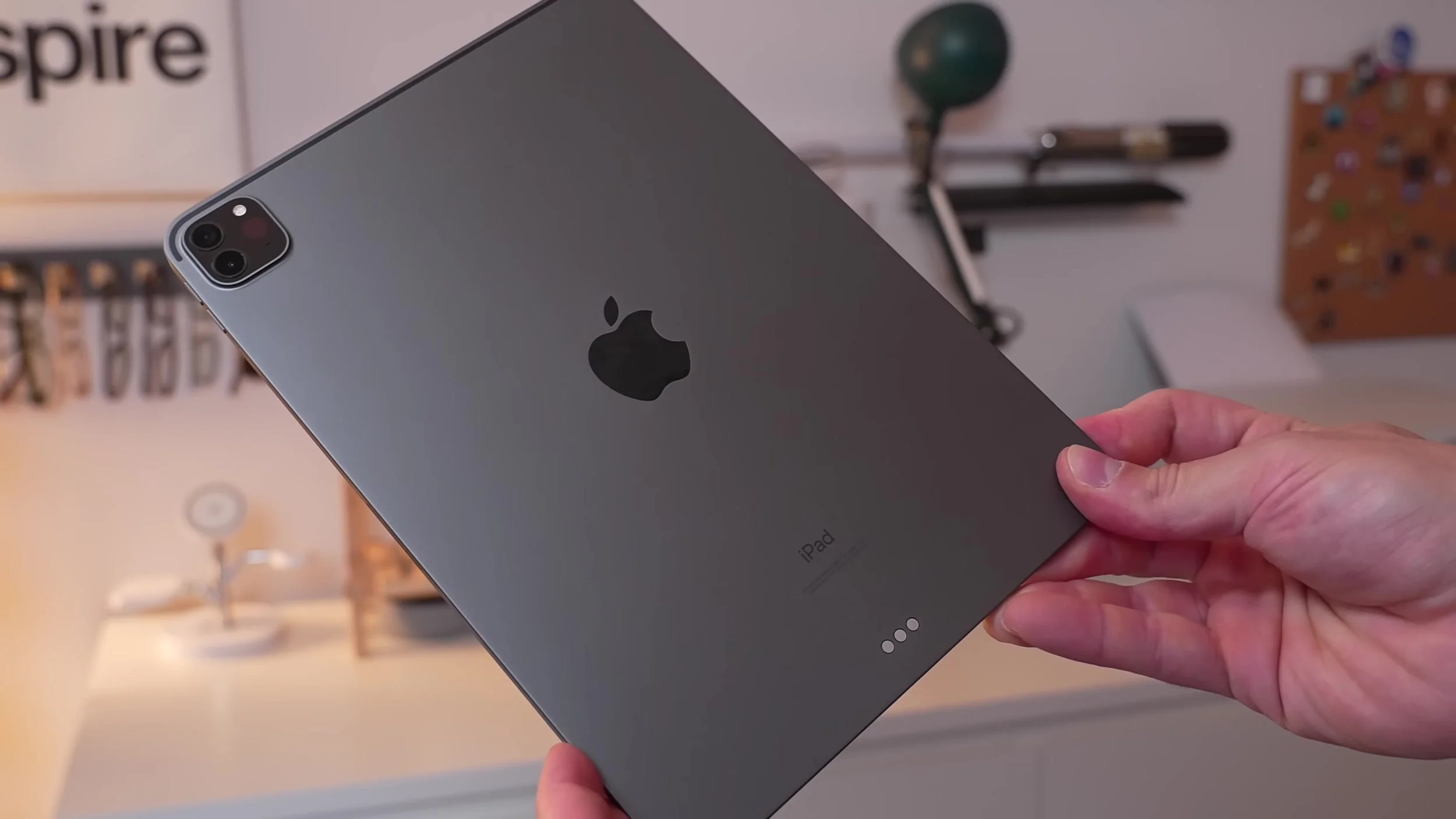
I’ve been daily-driving the same M1 iPad Pro for almost five years — editing, Apple Pencil work, movies, docs, even App Store games — and it still never feels like it’s begging for a replacement. Yearly tablet upgrades look tempting, but for real tablet use the M1 leap aged so well that buying this year’s slightly refreshed iPad rarely makes sense.
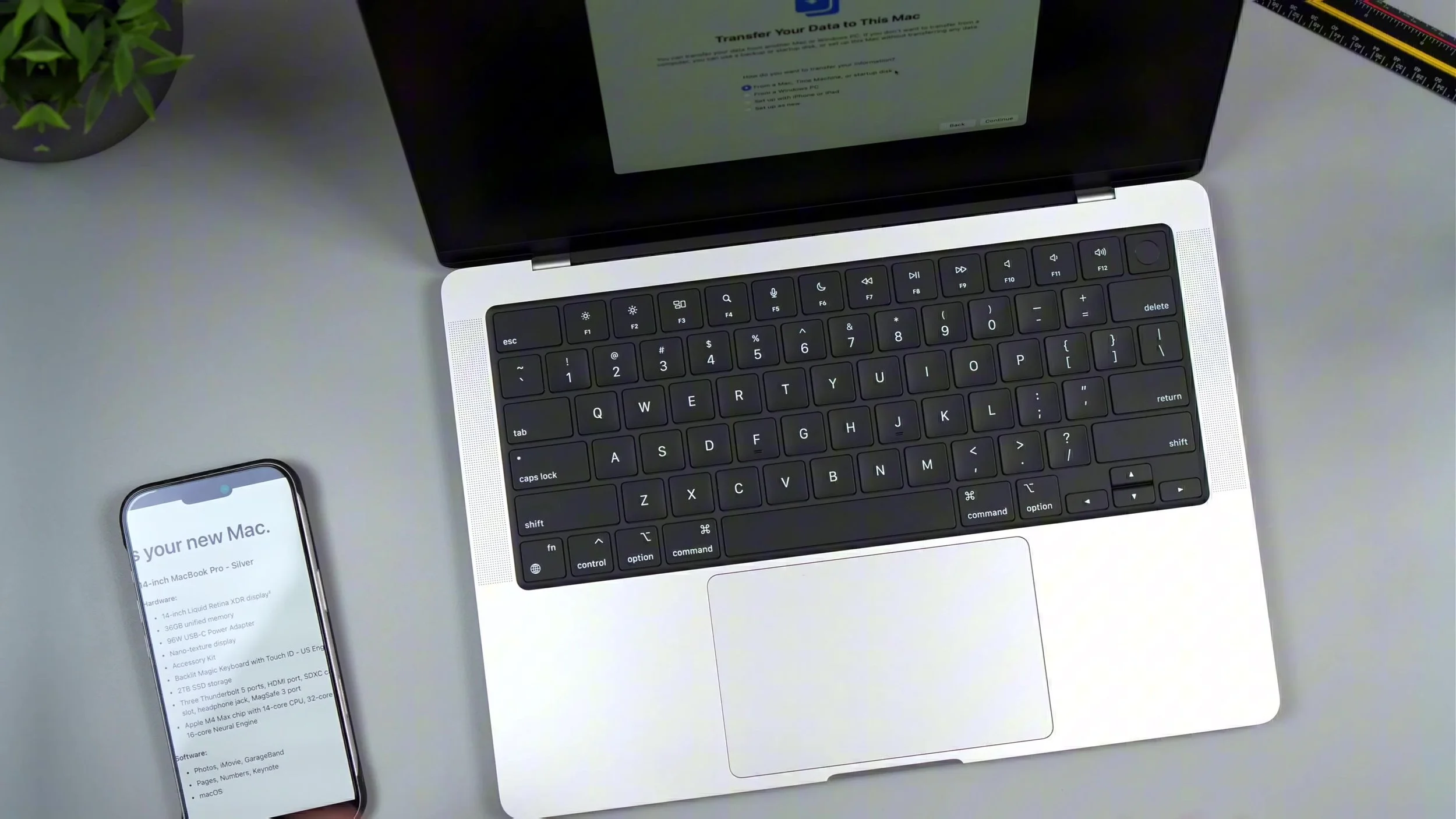
Nearly five years on an M1 MacBook Pro was a personal record — then RAM ceilings finally pushed me to jump to an M4 Max 14-inch. I broke down why I didn’t wait for M5, the silver unboxing, my full Vernal desk refresh, and the config I actually bought: 36GB unified memory, nano-texture display, and 2TB SSD.
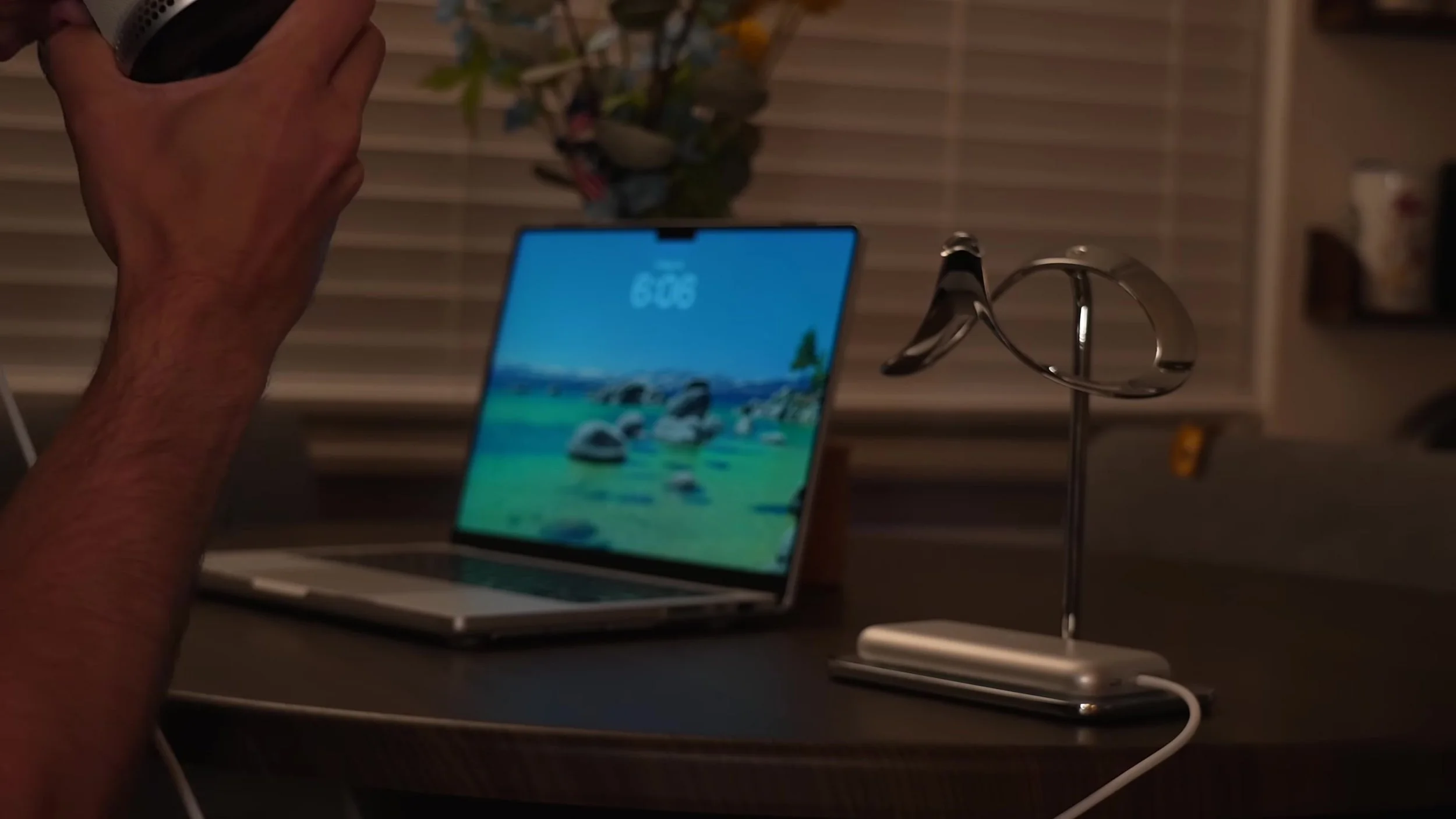
Can Apple Vision Pro M5 replace a traditional desk? After a week bouncing between a messy monitor-and-cable setup and just a MacBook plus Vision Pro, I wanted an honest answer — virtual displays anywhere, M5 vs M2 gains, color/sharpness limits, fatigue, and whether “desk anywhere” beats a Studio Display routine.
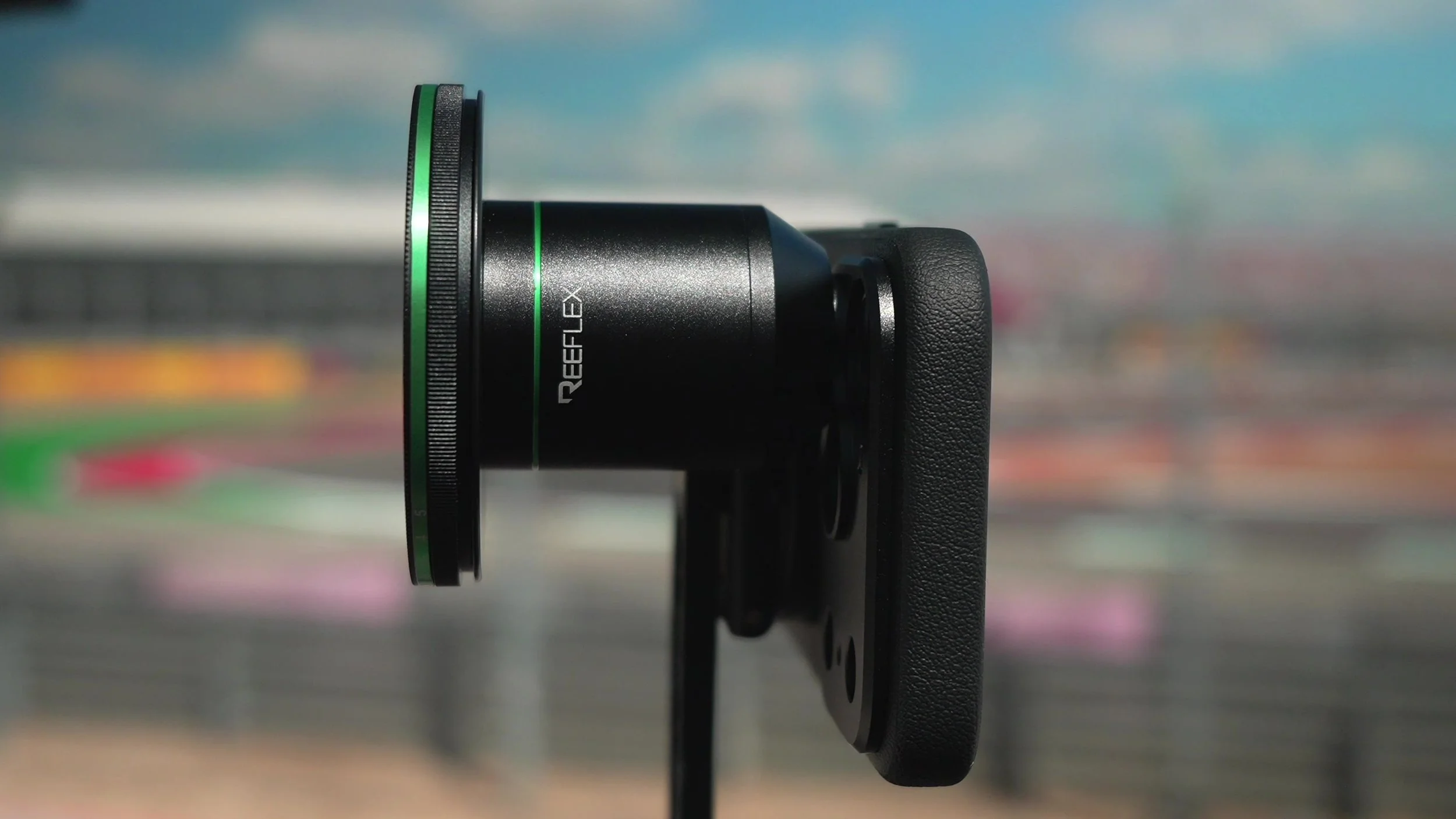
The iPhone 17 Pro already has one of the best phone cameras out there — triple lenses, strong color science, ProRAW — but physics still limits how much “real camera” look you can squeeze from tiny glass. I put Reeflex G-Series lenses and filters on the 17 Pro to see how far magnetic pro glass can push depth, compression, and cinematic blur.
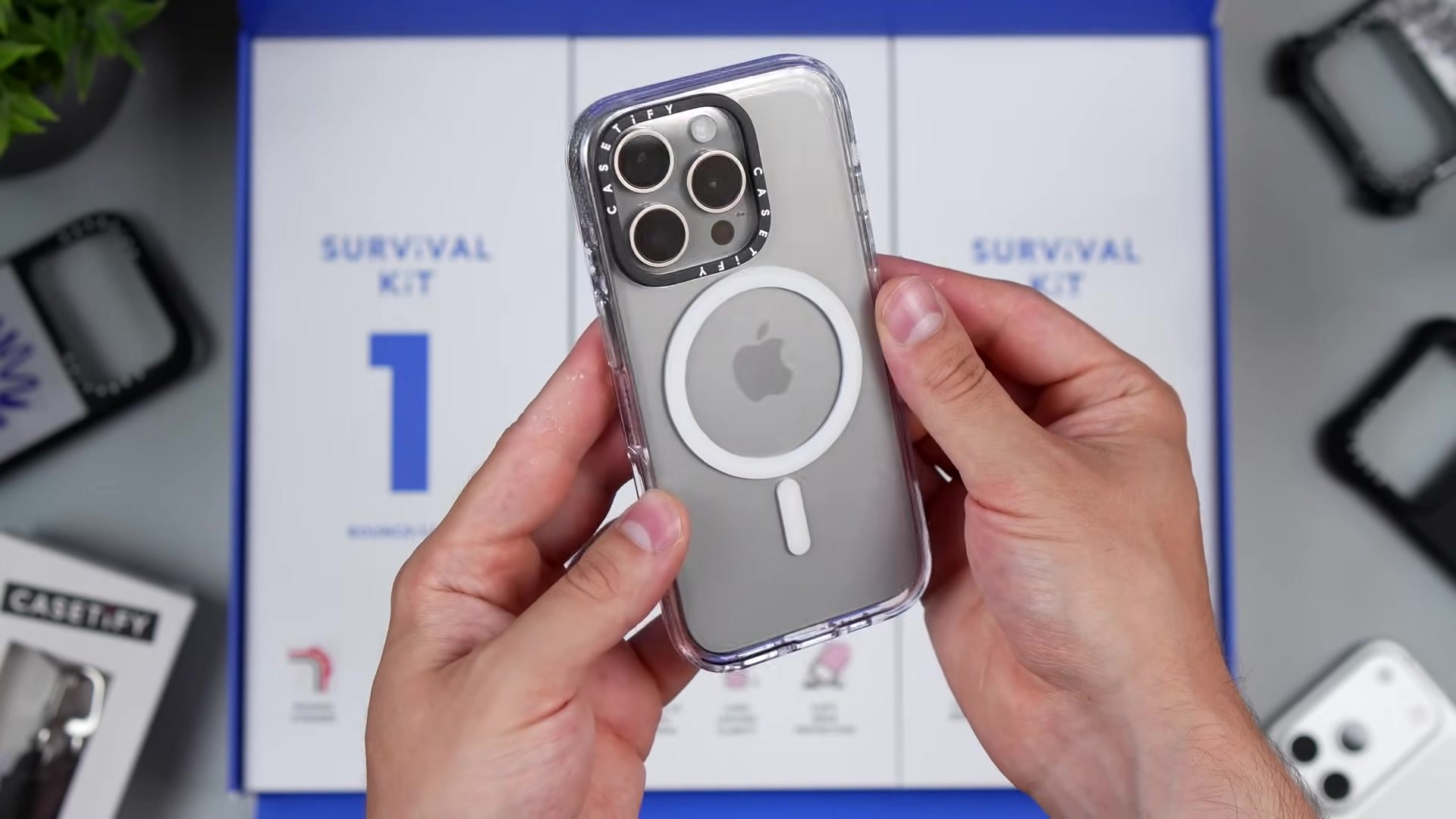
iPhone 17 Pro deserves protection that matches the camera island — so I went through CASETiFY’s iPhone 17 Pro cases for drop defense, MagSafe fit, and everyday grip. From clear looks that show the finish to thicker bounce-style builds and full kit vibes with screen protection, this is the protection setup I’d actually put on a new Pro.
I’ve been daily-driving iPhone Air for a full week, and the camera question is the one everyone asks: is one rear lens actually enough? I broke down main-lens detail, Apple’s computational zoom, selfie upgrades, video stabilization, and the hard misses versus Pro — ultra-wide, macro, Cinematic, ProRes, and Spatial.
iPhone 17 Pro Max and iPhone Air are opposite ends of Apple’s lineup — biggest and heaviest versus thinnest and lightest — so after a week with both I wanted a real answer, not a spec-sheet shrug. I compared screen size, pocketability, titanium vs aluminum, cameras, gaming, battery, and which one actually fits daily life.